Our lake is one of the healthiest in Cumbria, which is why river conservations charity Eden Rivers Trust and Another Place are working together to keep it that way – and it couldn’t be easier to help.
Our lake is one of the healthiest in Cumbria, which is why river conservations charity Eden Rivers Trust and Another Place are working together to keep it that way – and it couldn’t be easier to help.
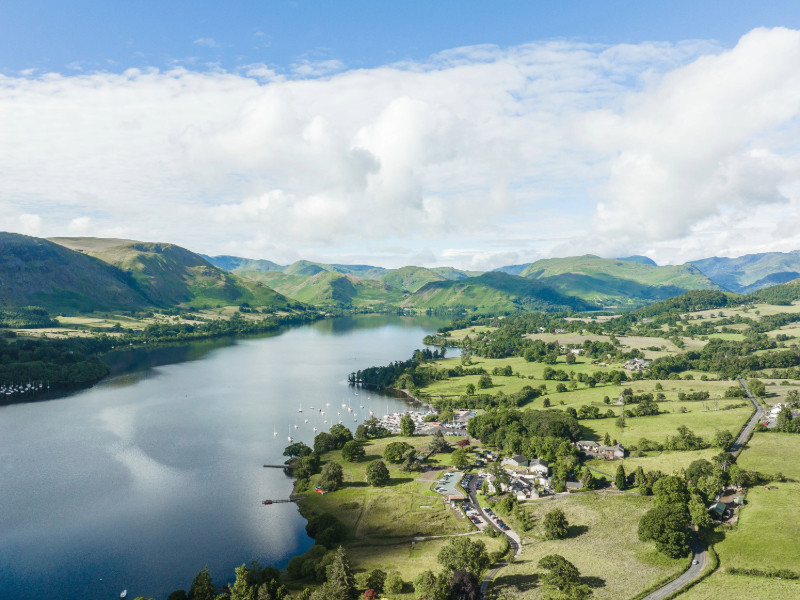
England's second largest lake – and third deepest. Three distinct stretches that bend around towering fells. Ullswater rewards every encounter.
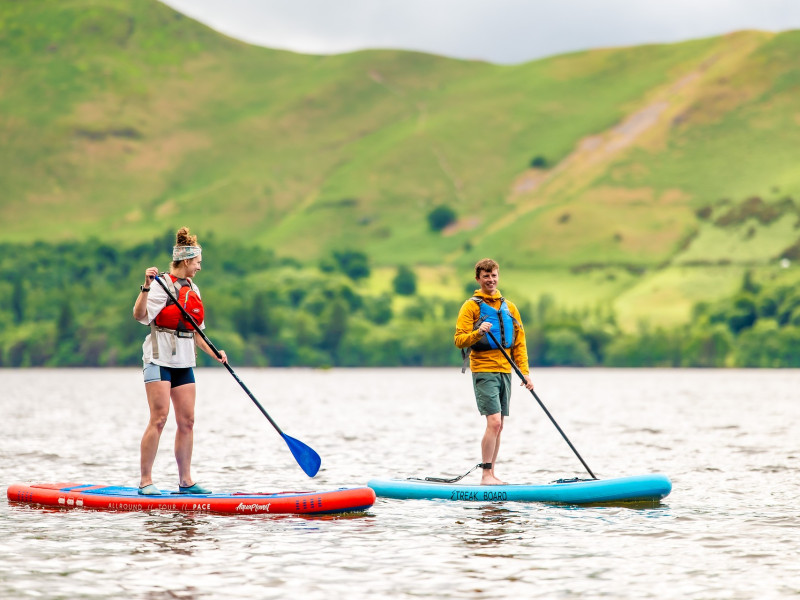
Casting away by SUP or kayak, or launching a wing foil on a blustery day, is all part of the experience here. Wild swimming is in our DNA. As is sitting on the end of the jetty and catching the v-wake of an otter in the shallows – and below the surface, rare schelly fish share the water with native freshwater shrimp and a chain of invertebrate life that keeps everything in balance. More people are hitting the water than ever – and that's something we celebrate and encourage.
But there’s an increasing risk to the lake’s ecosystem from invasive non-native species that can be accidentally transferred by swimmers and other water users. Which is why we’re encouraging everyone who comes to enjoy the lake to do their bit to help.
“We just want to keep Ullswater as pristine as it is right now,” says Ali Penny, Invasive Non-Native Species Officer of Eden Rivers Trust, which is spearheading an initiative to protect Ullswater that we can all be part of.
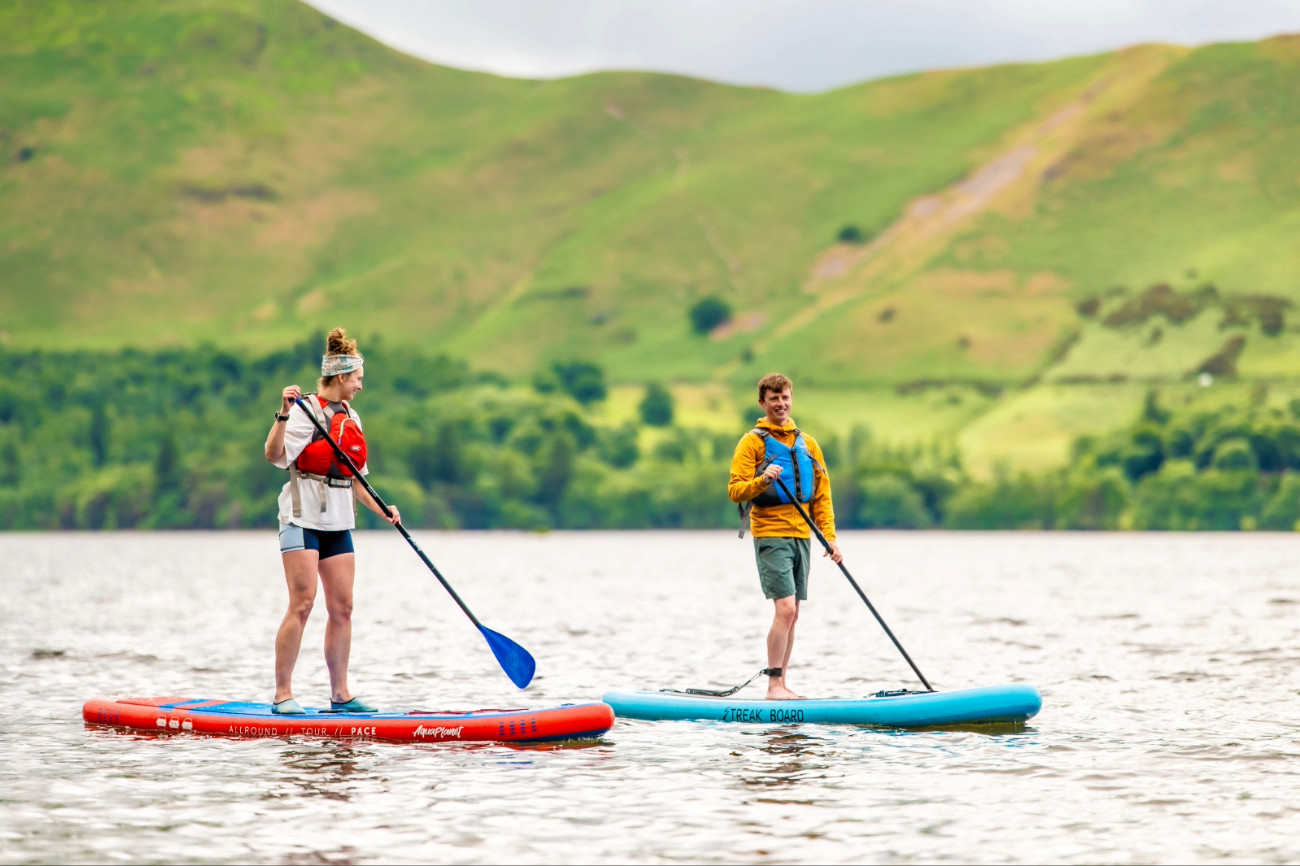
Compared to many of the Lake District’s more visited and accessible lakes, Ullswater is – thankfully – still a healthy and thriving body of water. It’s deeper and colder than many of the southern lakes – which limits how quickly invasive plants can establish, and most of its eastern shore is inaccessible by vehicle. Having limited launch points – like our jetty – helps contain the risk, and in order to keep the lake as pure as it is, we’re asking everyone to be aware and play their part too.
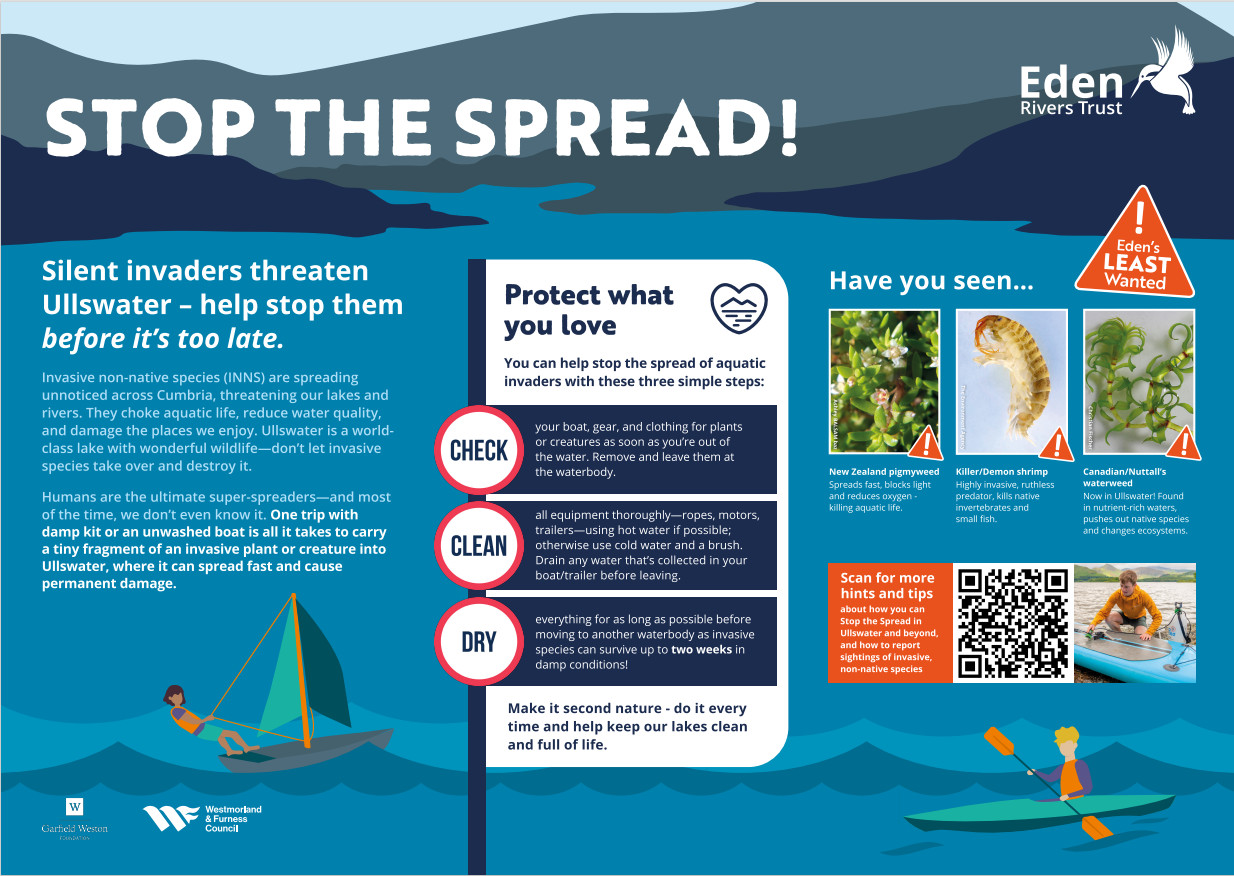
Non-native plant species, like Nuttall’s waterweed or New Zealand pigmyweed, can spread from lake to lake on swim and paddle kit, forming mats that block sunlight and starve the water of oxygen.
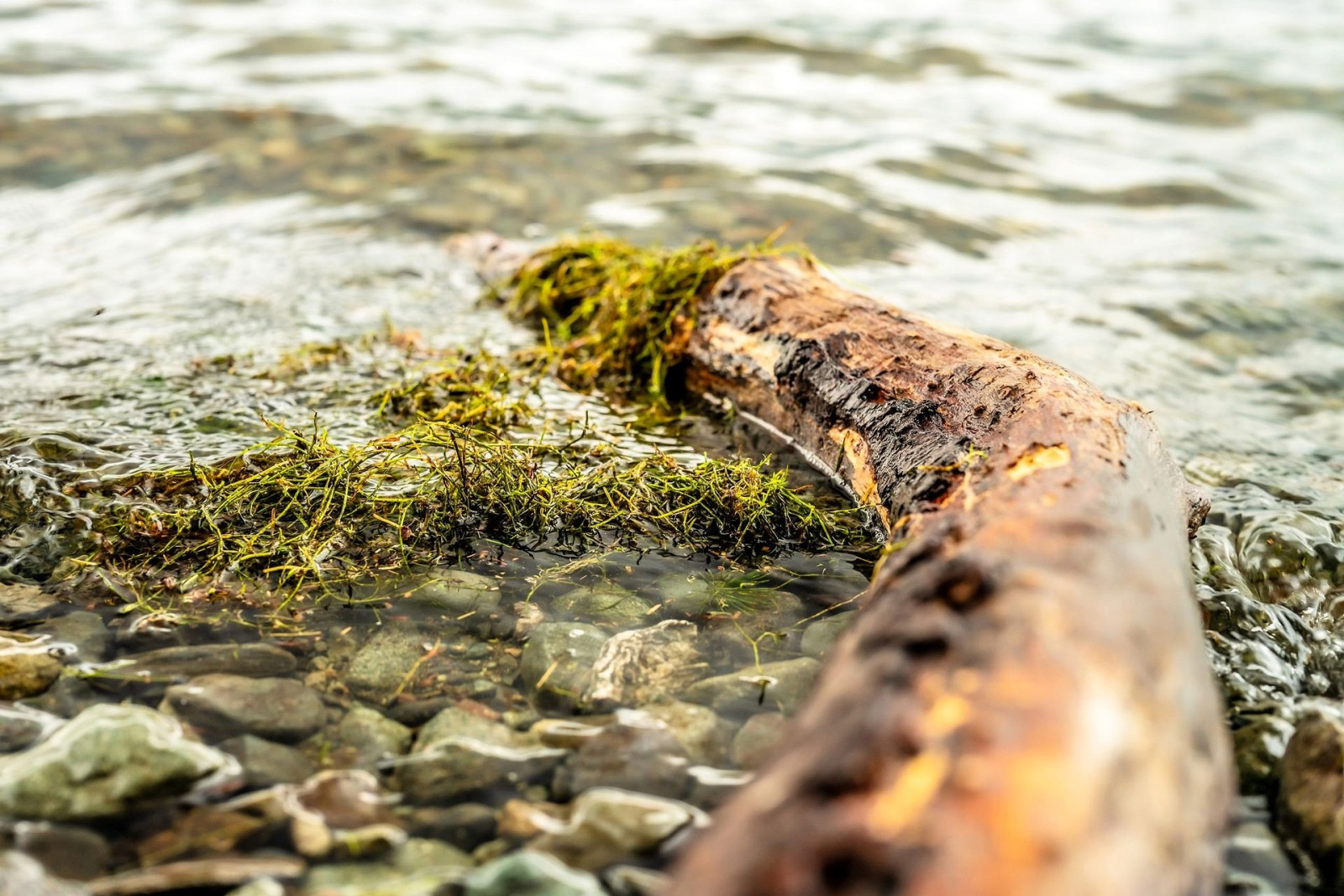
“Activities like ‘lake bagging’ – where people come to Cumbria to swim in a series of lakes – increases the risk,” says Ali. “Swim kit including wetsuits, boots and floats pick up the weed, so you need to check the zips and velcro. On a paddleboard, it’s often the fins, bungees and ankle straps.”
Prevention is key. “Once an invasive species is established in a body of water the size of Ullswater, getting rid of it is extremely difficult,” says Ali. But we can all adopt small actions to make a big difference. He added "It only takes a couple of minutes to check and clean your kit and yourself to ensure nothing is hitching a ride with you - minutes well spent to keep the lakes and rivers you love clean, healthy, thriving places for everyone, forever."
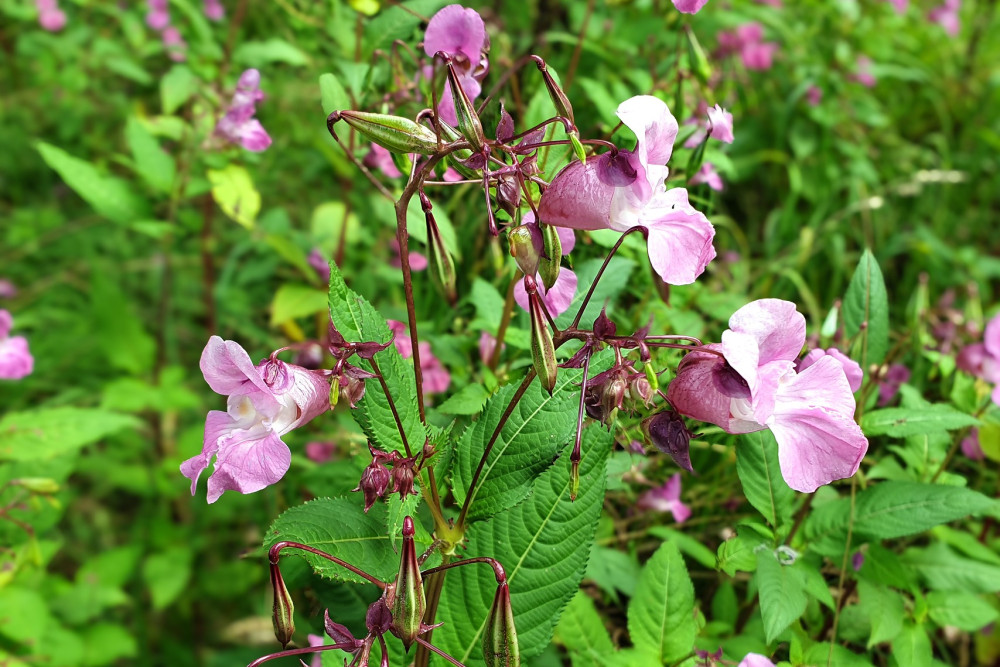
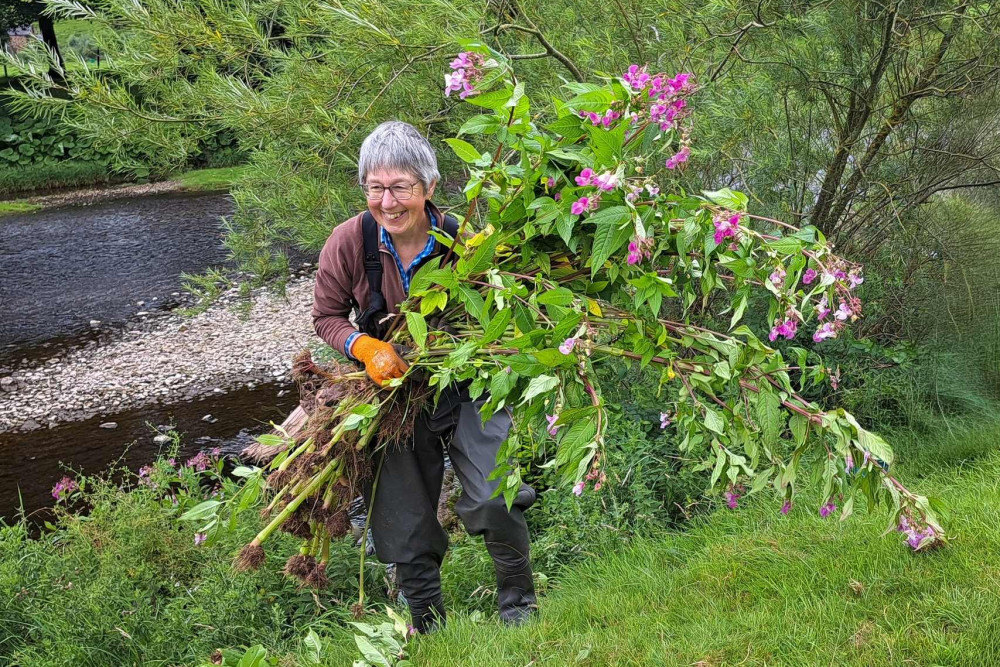
This simple Check, Clean, Dry process takes just a minute, and should become as automatic as putting on a wetsuit:
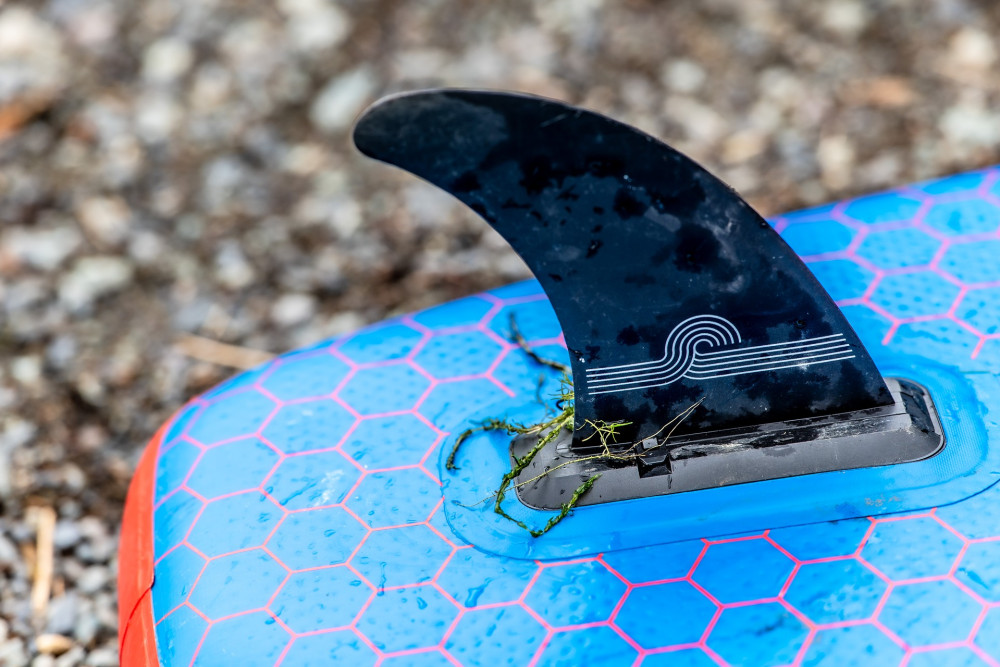
Tiny fragments of plants cling to bungees, fins and ankle straps on boards; zips, tags and velcro on wetsuits and buoyancy aids; boot soles and dog paws. If you find anything, remove it and leave it at the water's edge.
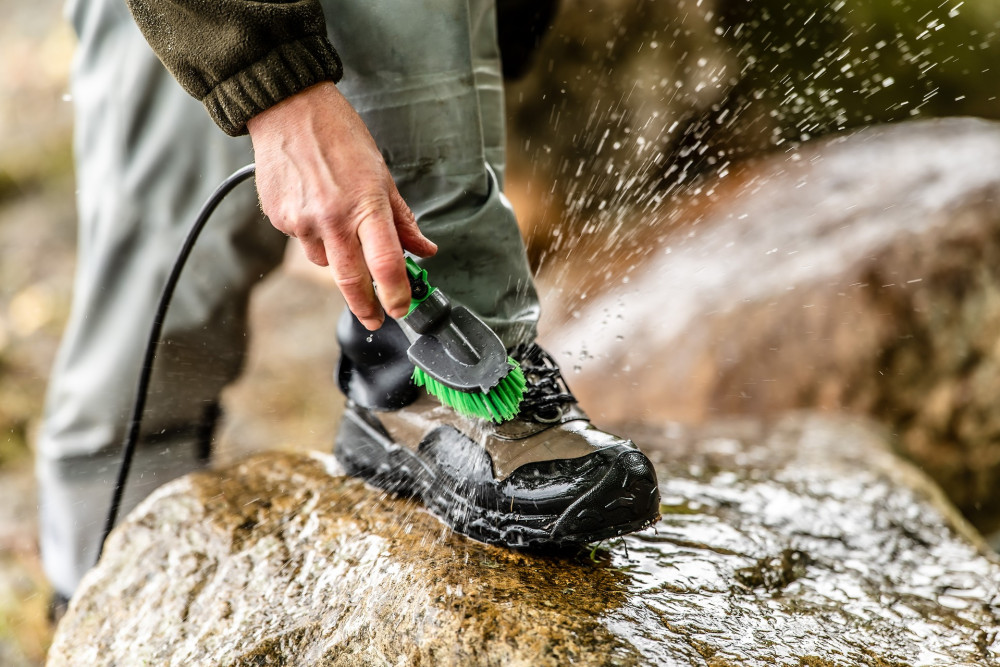
You don’t need soap or special equipment – just a toothbrush and water bottle in your kit bag is all you need for a quick rinse.
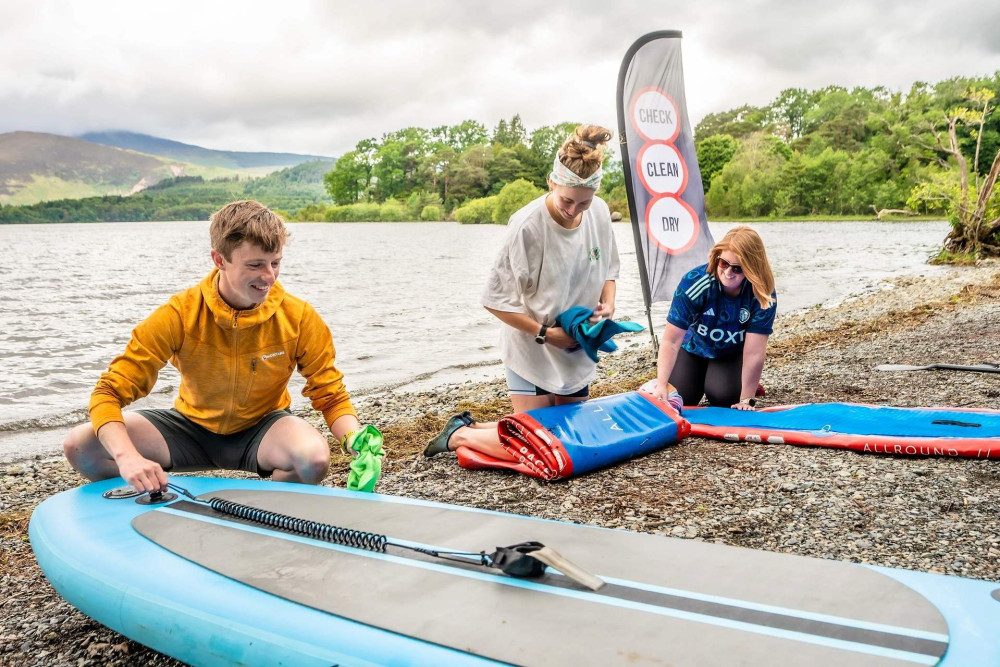
If you're heading to another lake sooner than that, use a separate set of kit. Fragments can survive up to two weeks in a damp crease of a wetsuit.
Eden Rivers Trust has installed information boards at key sites around Ullswater, including at our sheep shed changing cabin – where all lake adventures begin. If you want to do a little bit more, download the INNSMapper app where you’ll find identification guides and be able to record sightings.
At Another Place, our paddleboards and kayaks stay on Ullswater and we wash all of the kit for you, but if you do use your own, please use the washing station.
Eden Rivers Trust works to restore and protect river systems in East Cumbria. Find out more at edenriverstrust.org.uk. Download the INNSMapper app to ID and report sightings of invasive species.