Our approach to child’s play makes for a more relaxing holiday – for everyone. Discover Kids’ Zone at Another Place, The Lake with sessions included in every stay.
June and July on the Isle of Islay are prime months for wildlife, whether it be corncrakes calling from within nettlebeds, harbour seals pupping on offshore skerries, otters slipping through the shallows of secluded bays, damselflies flitting over fast-flowing streams, or golden eagles feeding their hungry, growing chicks. There’s something for everyone.
Summer on Islay brings long daylight hours, flowering plants and an extraordinary variety of birds and marine life. From the windswept moorland and dramatic sea cliffs of the Mull of Oa to the quiet beaches along the Rhinns of Islay, every corner of the island feels alive with movement and sound. It’s one of the best times of year to experience the island’s rich natural environment and, usually, better weather.
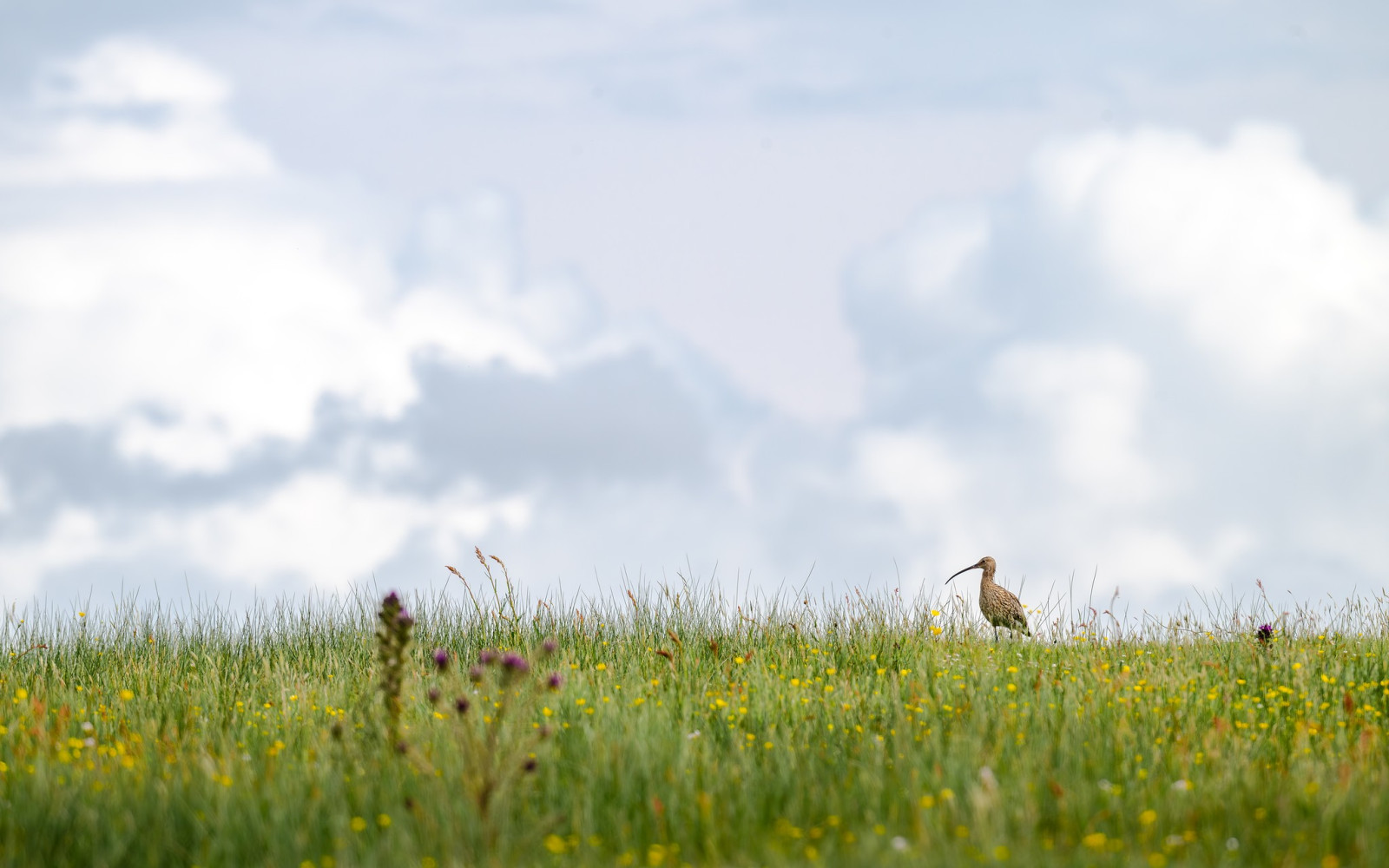
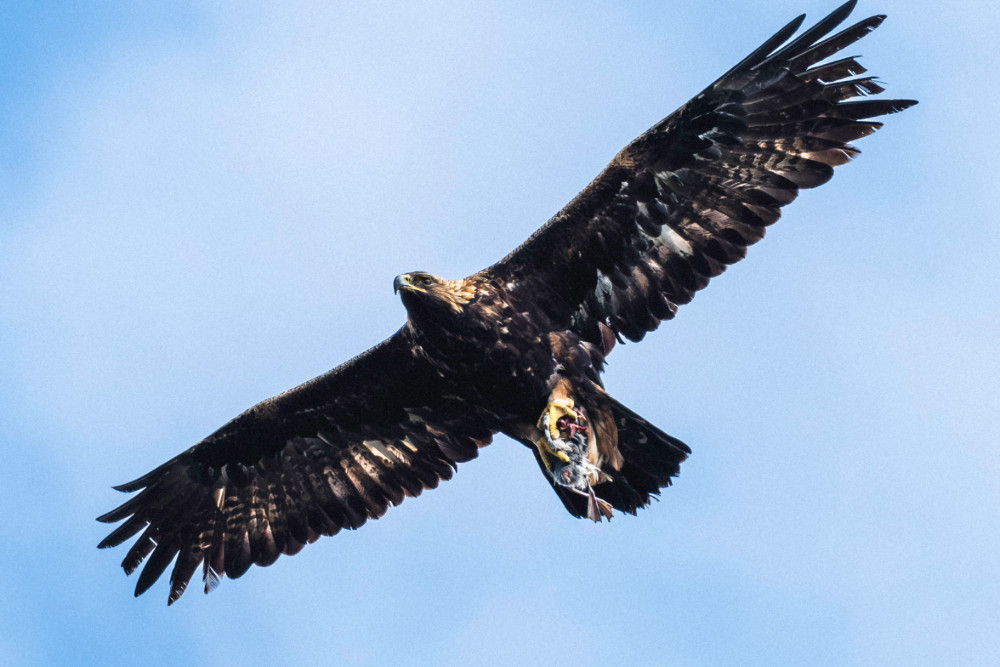
White-tailed sea eagles can often be seen soaring overhead, while hen harriers glide low, quartering across the moorland in search of prey. Choughs, with their distinctive red bills and acrobatic flight, are another special sight around Islay’s rugged shores and coastal grasslands and are among Scotland’s rarest breeding bird species.
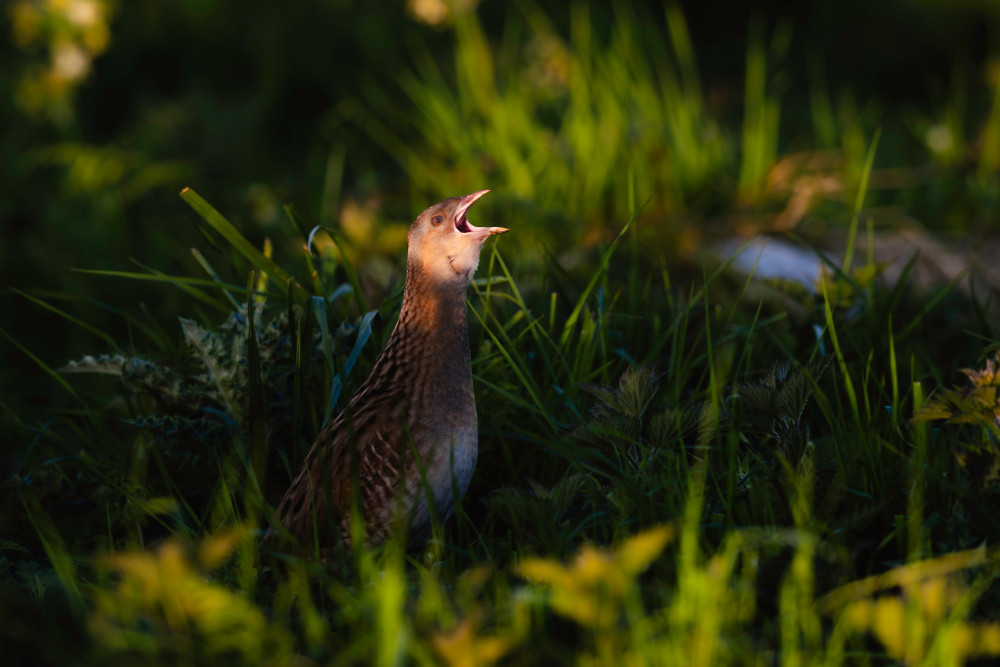
One of my personal favourites is the corncrake, with its distinctive rasping ‘crex-crex’ call providing one of the defining sounds of summer. Though often heard around the coastal village of Portnahaven and at RSPB Loch Gruinart, they usually remain hidden amongst the vegetation, much to the frustration of many wildlife photographers.
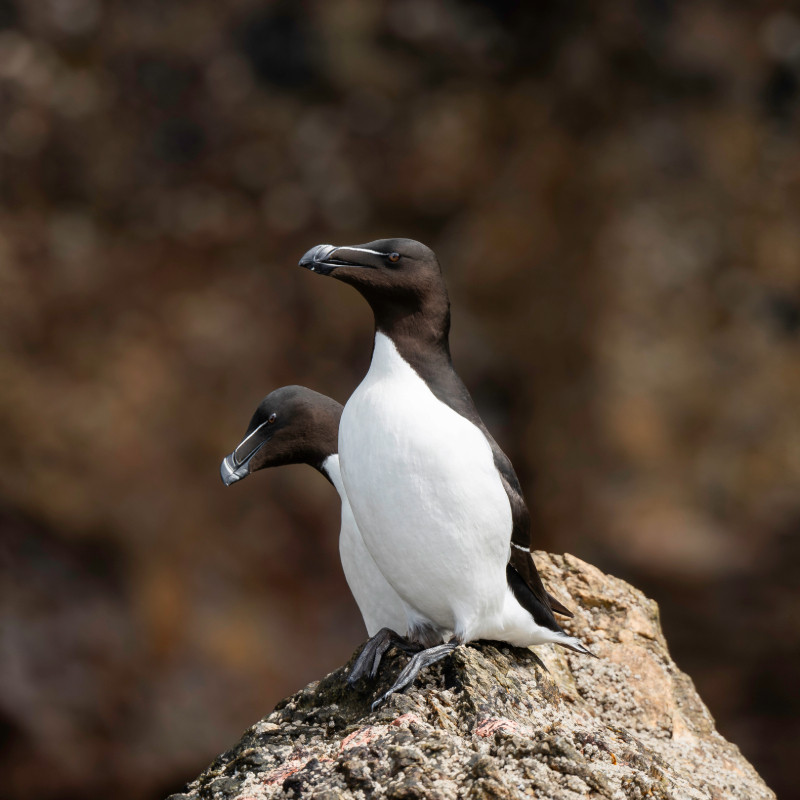
Islay’s shallow seas and coastal bays are particularly vibrant in summer, with beautiful blue water and dramatic rocks covered in flowering sea pink. Out in the open water, seabirds such as guillemots, razorbills and kittiwakes fish for prey before returning to their cliff-face colonies. The high sea cliffs of RSPB The Oa are home to enigmatic species like the peregrine falcon and both golden and white-tailed eagles, regularly seen riding the Atlantic winds or perched on prominent rocks, observing the landscape.
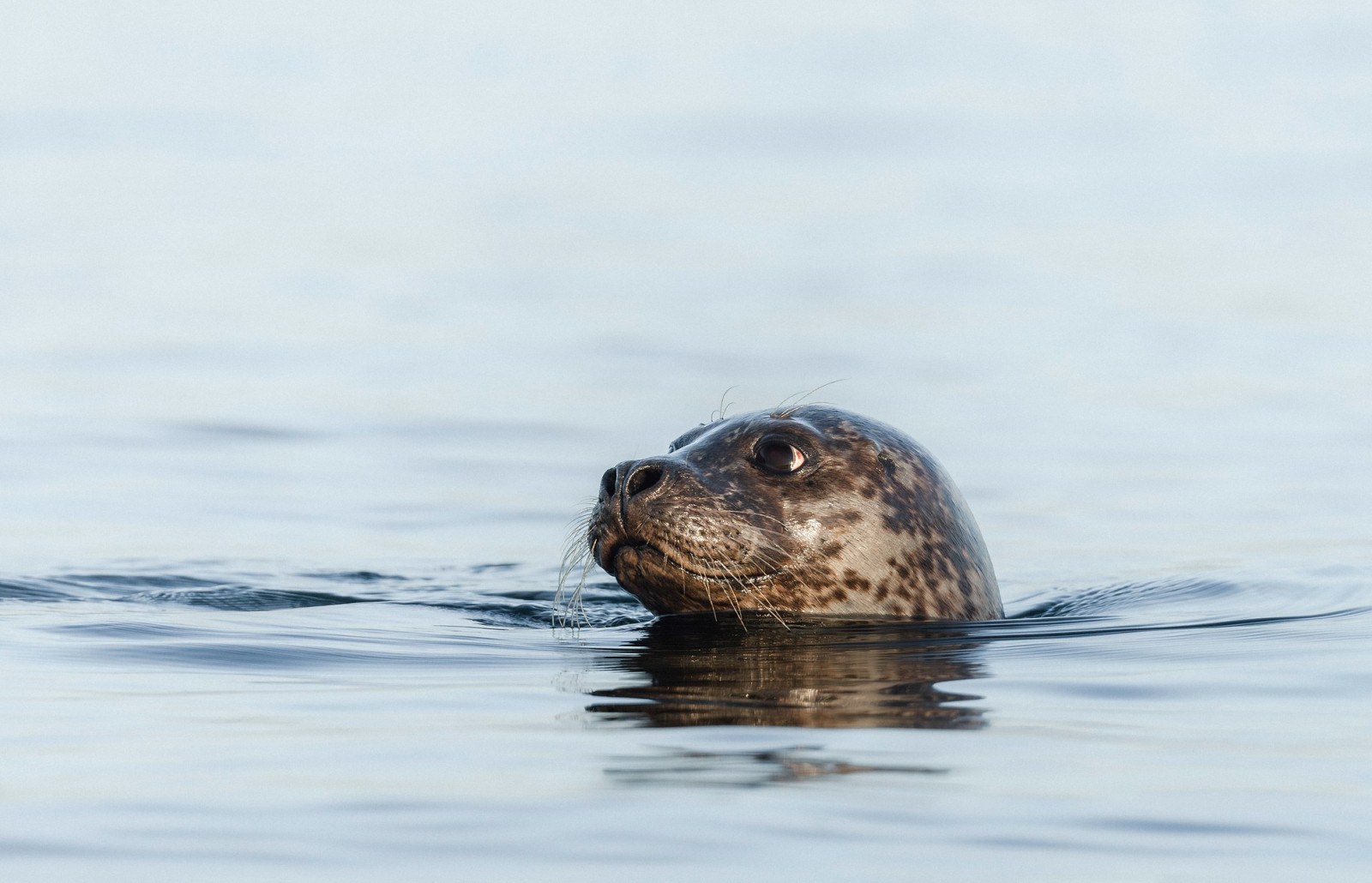
However, wildlife on Islay extends far beyond birds. Harbour seals gather around rocky skerries with their pups during summer. Unlike their larger relative, the grey seal, they have a more cat-like face compared to the grey seal’s dog-like appearance. Grey seals are also present around our shores, although they breed later in the year, during late autumn and early winter.
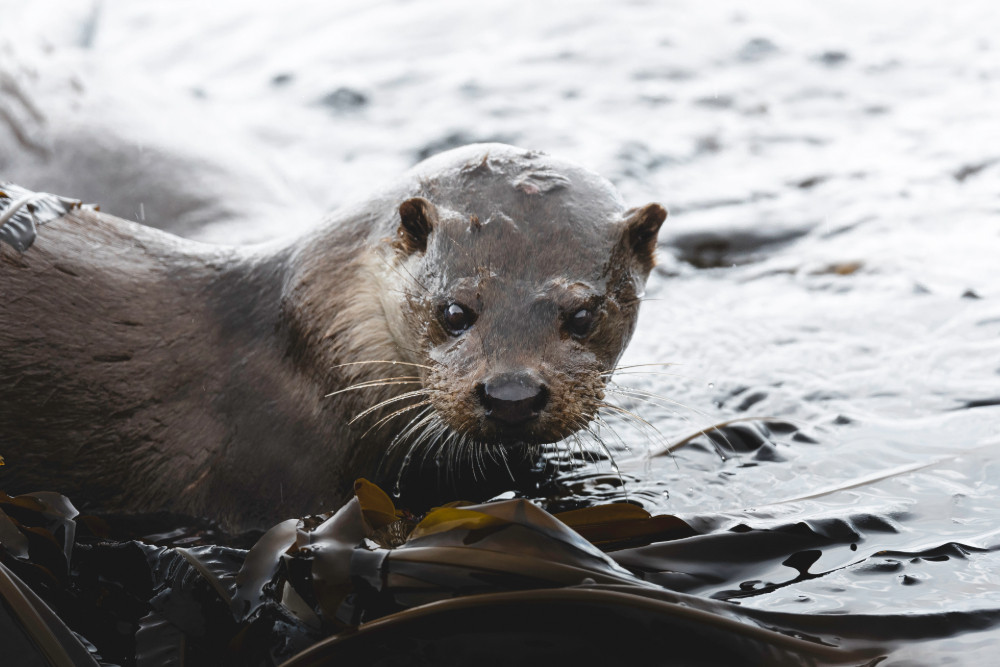
Look out for otters hunting along sheltered shorelines and beaches. I have found that they are particularly active on a rising tide, when freshwater flows stir up sediment and bring in nutrients, attracting prey species such as crabs and fish.
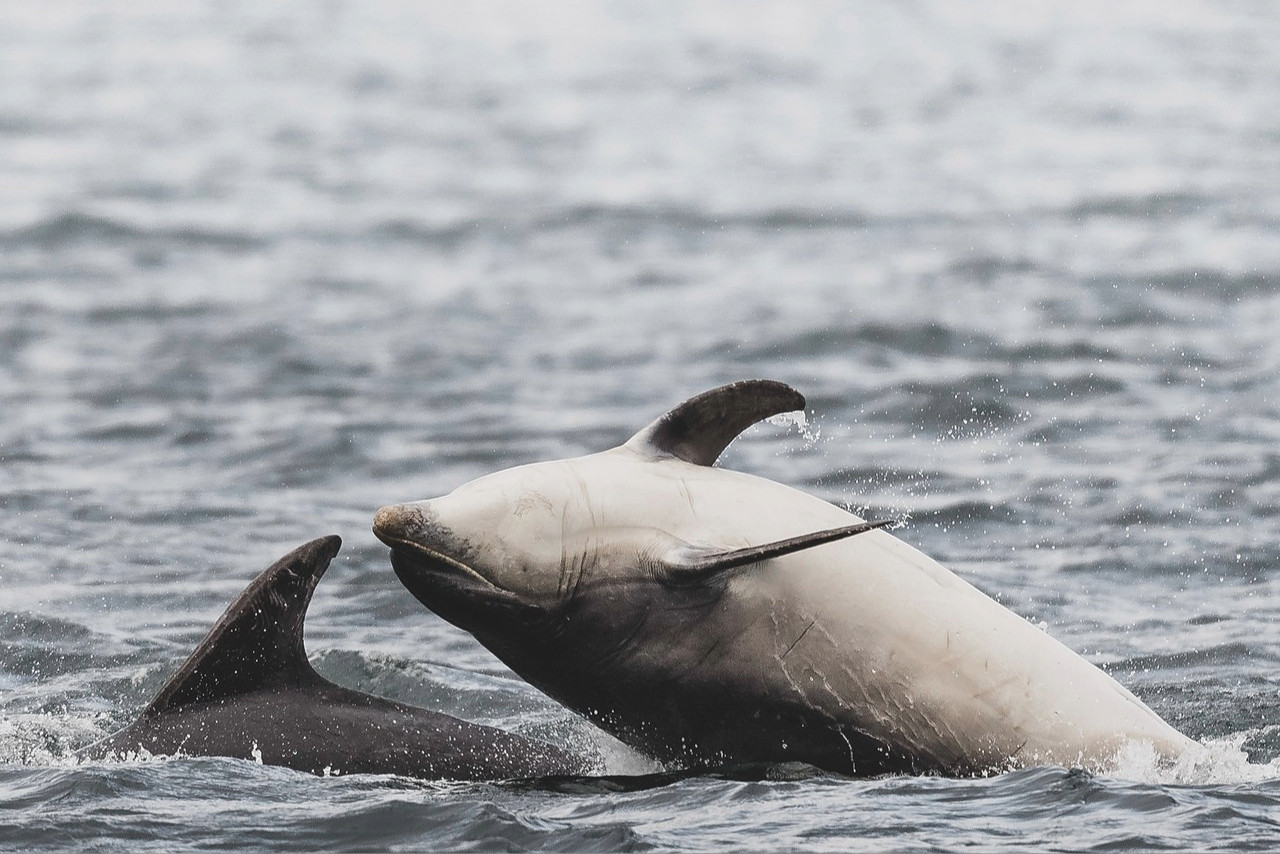
Deeper offshore waters may also reveal transient bottlenose dolphins, harbour porpoises and even minke whales on calm days. If you travel to and from Islay by ferry, keep your eyes peeled during the crossing.
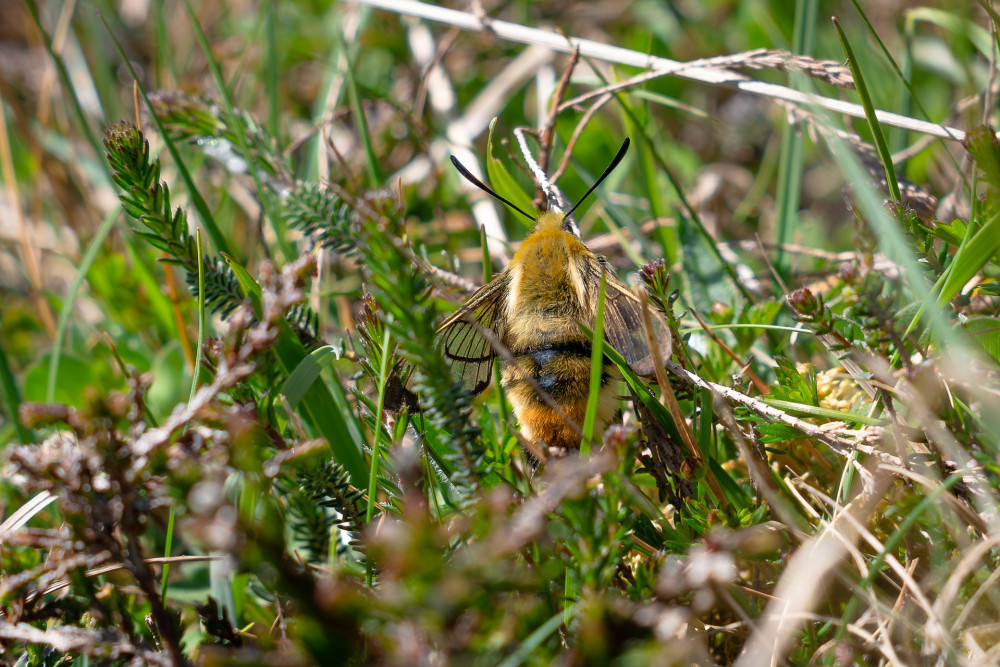
Across the island, wildflowers bloom, attracting butterflies, bees, and other invertebrates. Scarce species flourish here, including the marsh fritillary butterfly and the narrow-bordered bee hawk-moth. Beautiful demoiselles, an incredibly elegant and vibrant species of damselfly, flutter along stream edges and have an almost fairytale appearance when in flight.
In June and July, Islay feels wonderfully untamed. A place where wildlife dominates the landscape and every walk offers the chance to experience something memorable.
Follow David Dinsley on Instagram @davidswildlife