Our approach to child’s play makes for a more relaxing holiday – for everyone. Discover Kids’ Zone at Another Place, The Lake with sessions included in every stay.
With avian neighbours to meet, new languages to be discovered, and a welcoming community of bird-lovers (AKA ‘bird nerds’) to befriend – birding is transformational. It’s accessible too: anyone can be a birder simply by looking out the window or heading to a local green space.
So it's no wonder that birdwatching is becoming part of many people’s daily lives. This year, the RSPB found that 47% more people of all ages have taken up the hobby since 2018 – with a particularly large, stork-sized boost amongst Gen Z.
Nestled in nature, Another Place, The Lake is a perfect base to immerse yourself in the lives of birds. Read on for my top three tips to begin your birding journey by Ullswater.
Mindful birding is the best place to start your journey as a birder. It's also wonderful for wellbeing, encouraging you to slow down, focus your senses, and fully immerse yourself in the natural world.
When you step outside, take some time to ‘tune in’ to the sounds around you. Listen to the differences in bird calls that you can hear, the rhythms and pitches, even the silences falling between them. Take note of their distances in the landscape.
Birds have their own languages which, with a little practice, we can eavesdrop on. Songs and calls help identify bird species, but remarkably, the combinations of calls they use can also tell stories about their social lives and romantic relationships.
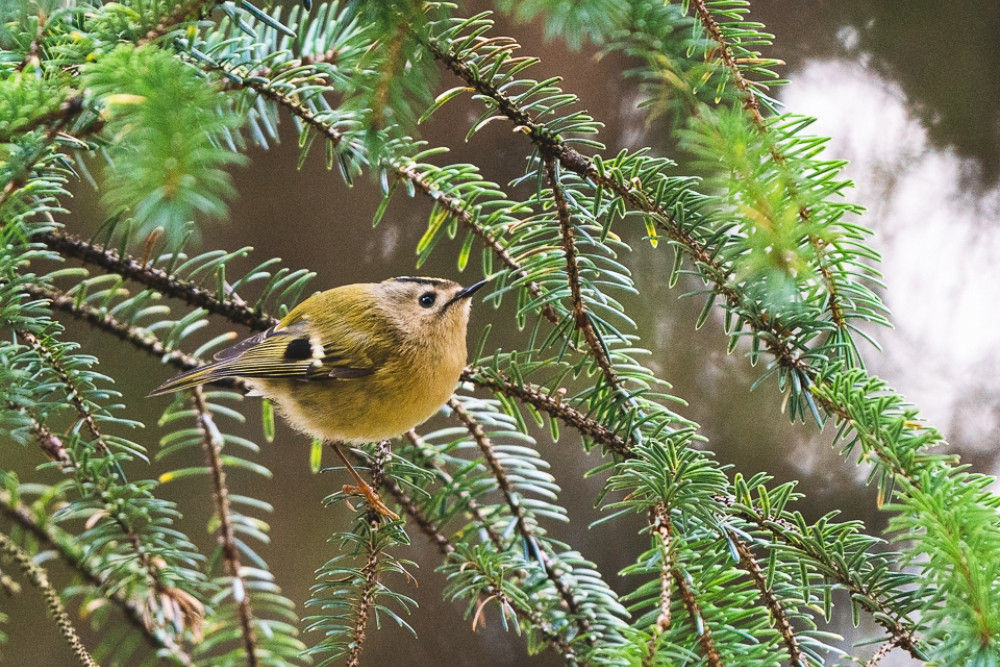
Listen for the ultra-high pitch of Goldcrests in the tops of conifer trees, along with the deep rhythmic cooing of Woodpigeons, and the kitten-like mewing of Buzzard pairs overhead. Later in the evening, male Blackbirds call out their punchy, territorial ‘chuck chuck’ calls as the sun sets over the grounds.
The natural soundscape is one of the first cues of seasonal change. The first thing you may notice in summer, for example, is how much quieter the songbirds are. Once spring courtship has ended and the nesting season is drawing to a close, many birds have stopped or reduced their singing.
One of the first whispers of autumn at Another Place comes from Long-tailed Tits flocks (known as tribes), which start to grow in number from late summer, joining together with other species to form large winter Tit flocks. Listen out for their gentle, high-pitched contact calls, letting each other know their whereabouts, as they move spiritedly from branch to branch.
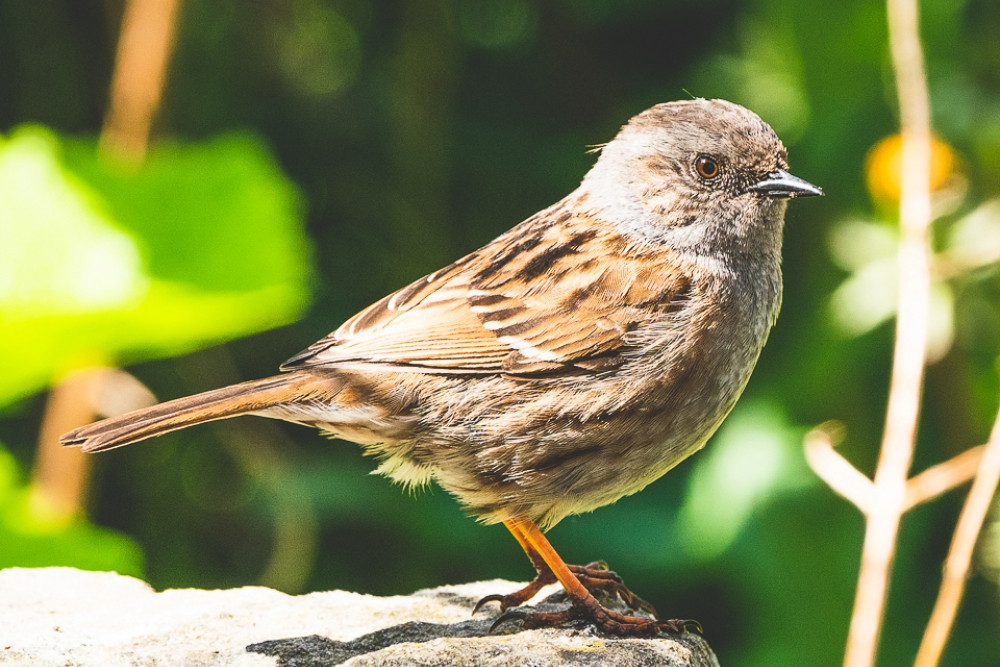
“Birds have their own languages which, with a little practice, we can eavesdrop on.”
Your senses are all you need to discover and enjoy birds; however, there are a few handy tools that can help to enhance your birding journey.
The smartphone in your pocket can transform into your secret birdwatching accomplice with the help of specialist apps, particularly two free, easy-to-use apps created by the Cornell Lab of Ornithology:
– Merlin Bird ID: an excellent accomplice that identifies bird calls in real-time and keeps an acoustic journal of your personal ‘Sound ID Sessions’.
– eBird: the world’s largest birding community. The perfect place to find birdwatching hotspots nearby and share your sightings.
For a screen-free birding experience, there are a multitude of books available, like the thorough Collins Bird Guide (also available as an app), or easy-to-carry Field Studies Council fold-out charts.
Synonymous with birders for generations, binoculars help to hone in on the beautiful, subtle details of birds, and can help to distinguish between species.
It’s also worth keeping a pocket-sized journal with you to record when and where you spot birds, along with notes on their behaviours. Your future self will be thankful when you revisit the area, and are trying to remember where you had a particularly wonderful, wild encounter.
The simplest tool you can have is an item of clothing in your bag that you can throw on to help blend into the natural environment. Sitting still and quietly in muted green and beige tones will help wildlife around you settle into your presence.
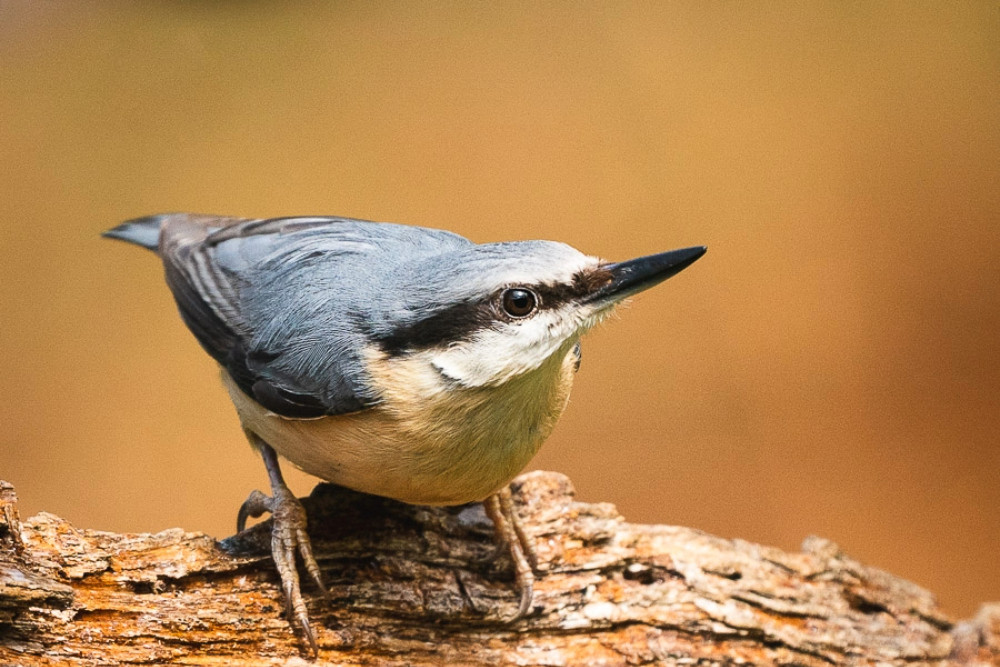
Tucked onto the northwest shore of Ullswater, surrounded by high fells and temperate rainforest, the diverse habitats surrounding Another Place, The Lake make it an ideal base for birding. Here’s what to look out for:
On the freshwater lake, Greylag, Canada and Barnacle Geese can be seen and heard, along with Mute Swans. Look and listen for an array of gulls, including Lesser Black-backed and Herring, along with wintering Common Gulls, which begin to arrive in late summer.
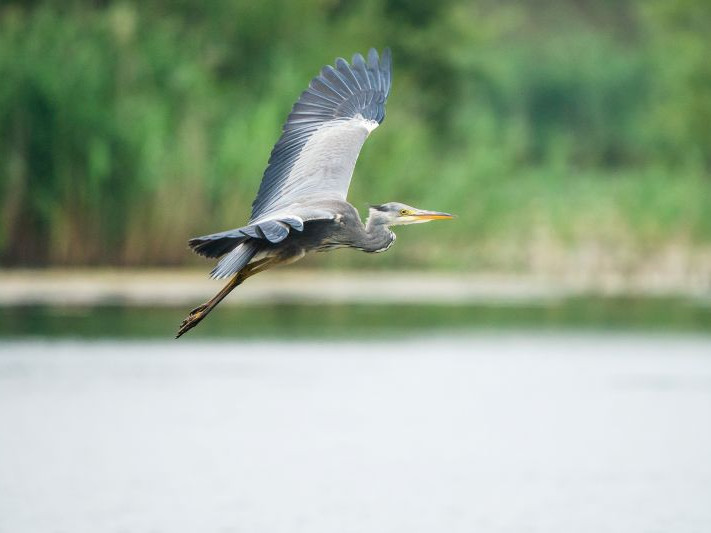
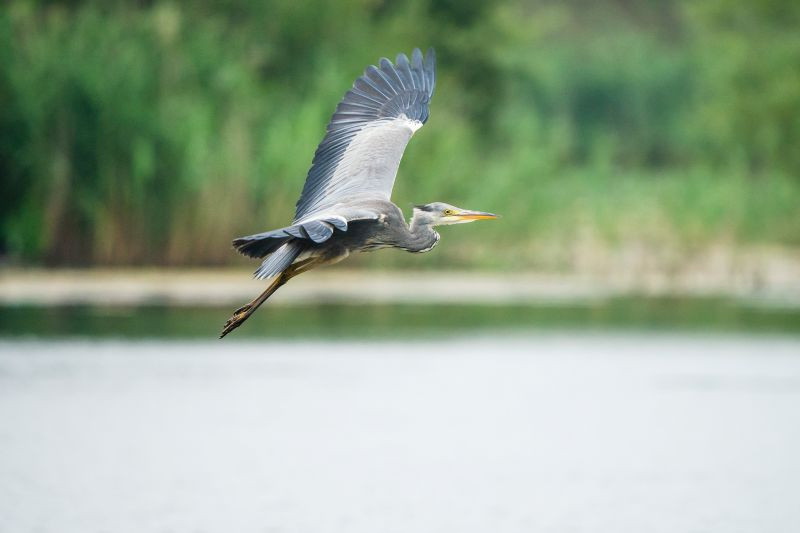
Grey Herons patiently hunt from the shoreline, and Cormorants can be spotted feeding in the water. The delightful Dipper – our only aquatic songbird – can also be seen hunting around Ullswater. Look out for its bright white chest.
During the summer months, you can still spot young Mallard broods, while males enter their ‘eclipse’ plumage – their camouflaged feathers making them look similar to females. Swallows and House Martins feed on insects over the water and grounds in increasing numbers as they prepare for their migration south.
Great Spotted Woodpeckers, Nuthatch, Blackcap, Chiffchaff and Willow Warbler live in the trees and woods surrounding the hotel. The shy Dunnock and perky Wren can be spotted close to shrubs, whilst bold Robins continue to delight visitors across the whole grounds.
If you’re interested in venturing further afield during your birding trip, explore the Cumbria Bird Club website for information on recent sightings around Ullswater, or consider visiting one of the many local nature reserves.
Heather Devey is the Co-Director of Wild Intrigue, a social enterprise rooted in northern England, run by a passionate team of naturalists hosting wildlife experiences and wildlife photography hides at Wild Haweswater.